
Floatation suits, floatation jackets & floatation trousers – marine clothing for all weather conditions
Thinking about buying floatation clothing? You are in the right place. Since 1986, our family business has supplied thousands of floatation suits, floatation jackets, and buoyancy garments to customers who demand safety, durability, and performance at sea. Over the years, we have built extensive expertise and product knowledge to help you make the right choice. On this page, you will find essential information about floatation clothing: how floatation suits work, why wearing buoyancy garments is crucial for safety at sea, and what to consider before making a purchase. Whether you are a professional or a recreational boater, understanding the right gear can make all the difference.
Explore our guide further down on this page to learn more and find the best floatation clothing for your needs.
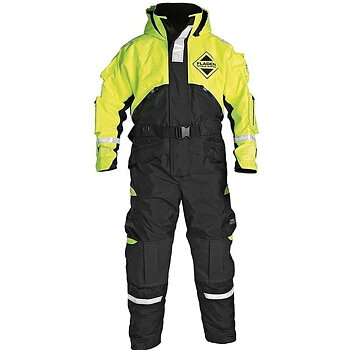
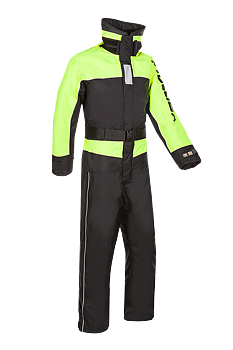
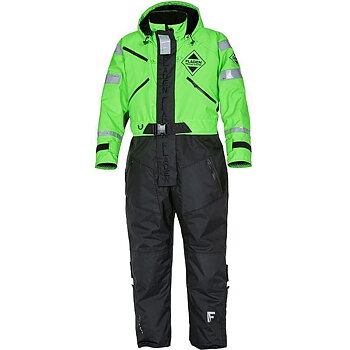
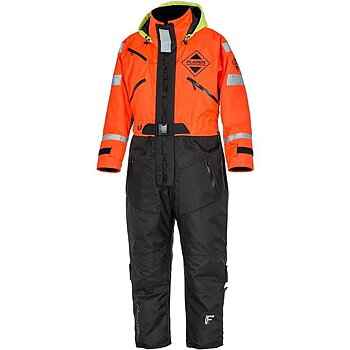
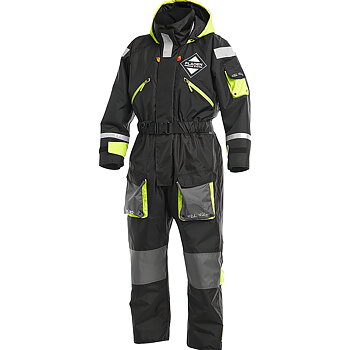
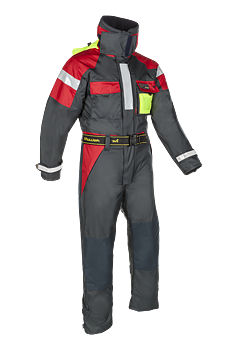
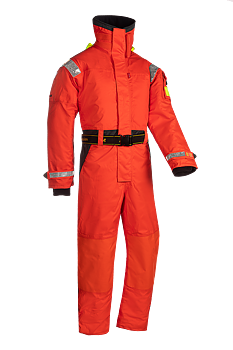
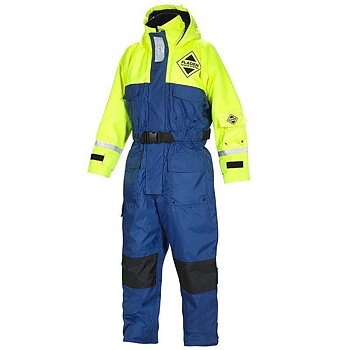
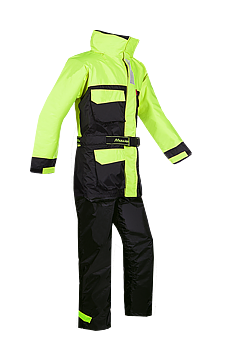
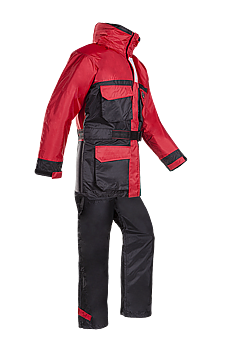
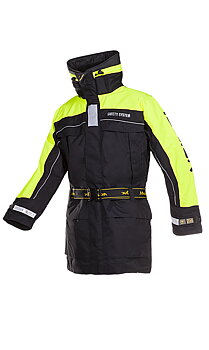
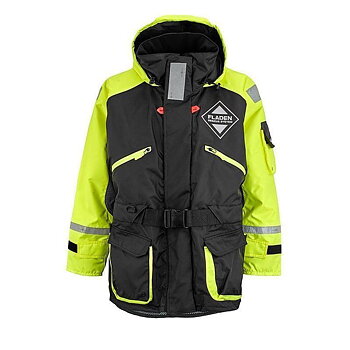
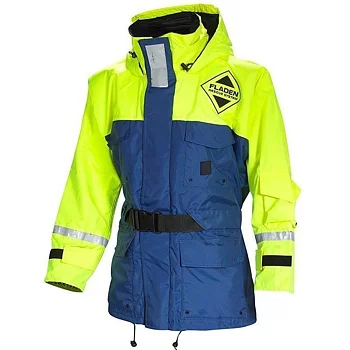
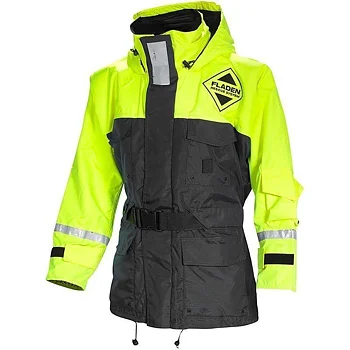
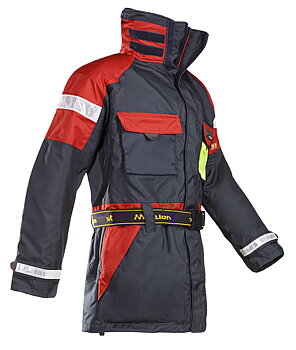
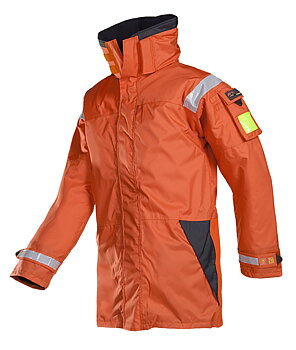
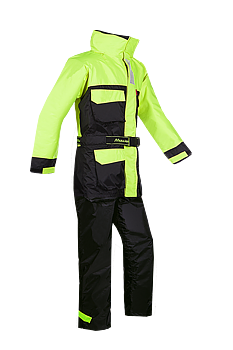
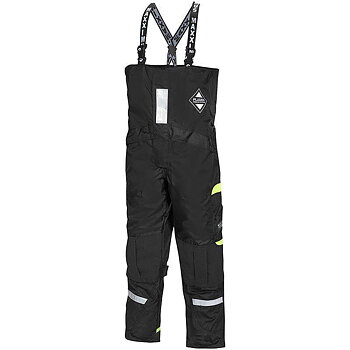
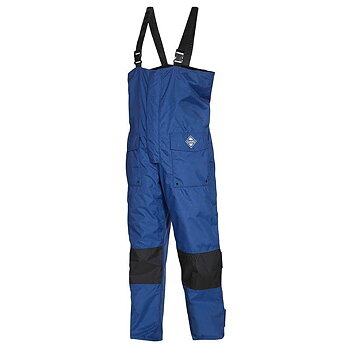
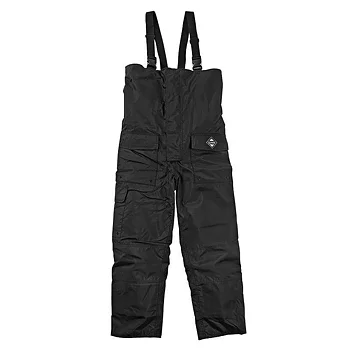
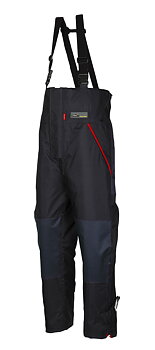
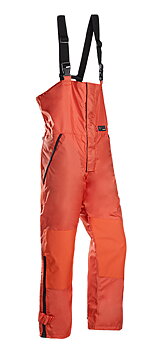
Facts About Floatation Suits & Floatation Jackets
To start with the basics, a floatation suit or floatation jacket is defined as a “buoyancy aid” and must provide at least 50N of buoyancy. The floatation suit is also designed to keep the wearer warm and dry in all weather conditions. The garment must also be designed so that the wearer can swim in it and must have reflective elements to make it easier to locate someone in distress. In terms of buoyancy, a buoyancy suit or jacket is comparable to a sailing vest.
How do these garments work?
The buoyancy comes from the lining itself. In the case of Mullion's and Fladen’s two-piece suits, both the jacket and the trousers have buoyant linings, unlike many cheaper brands where only the jacket has built-in buoyancy. Functionally, floatation garments are based on the wetsuit principle. When you fall into the water, a limited amount of water will seep into the suit. This water is quickly warmed by your body and then forms a barrier against the colder water outside the suit.
Why should I wear a floatation suit?
It’s important to remember that a floatation suit is not a guarantee of survival in all situations. How well you fare depends on several factors — your own physical condition, water and air temperature, and how long it takes before you are rescued, manage to get ashore, or get back on board.
The initial danger of an accidental dip in cold water is that your body may suffer from cold-water shock. Typical signs of this include uncontrollable breathing, which in the worst case can lead to drowning, or hyperventilation, which, paradoxically, can cause disorientation due to a lack of oxygen. In addition to this, you may also experience both a rise in blood pressure and heart palpitations. This is where your floatation suit will be of great benefit. While wearing it, you will still get wet, but your body will not go into shock in the same way. This is because the water enters your body in a controlled manner, which in turn reduces the risk of cold-water shock while delaying the onset of hypothermia. The fact that you’re floating also eliminates yet another critical variable.
Without a full-body flotation suit — for example, if you’re only wearing a life jacket or flotation vest — your motor skills will quickly fail as your body temperature drops, which in the worst-case scenario can make both self-rescue and assisted rescue impossible.